

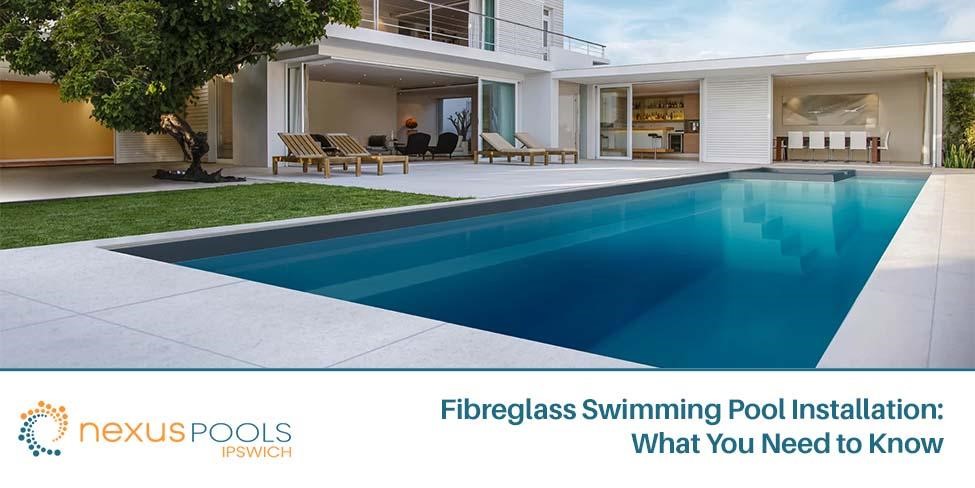
What is a Fibreglass Swimming Pool?
A fibreglass swimming pool is a pre-fabricated pool constructed using reinforced fibreglass. Unlike traditional concrete pools built on-site, fibreglass pools are manufactured off-site in a controlled environment and then transported to the designated installation location. This approach allows for a faster and more efficient installation process, typically completed within a few days.
These pools are available in various shapes and sizes, providing homeowners a wide range of options. The fibreglass material used is both non-porous and smooth, which helps prevent algae growth and reduces the need for extensive maintenance. Moreover, the pool’s surface is gentle on the skin, making it an ideal choice for families.
Why Choose a Fibreglass Pool?
There are numerous advantages to choosing a fibreglass pool. Firstly, the installation process is much quicker than concrete pools, allowing homeowners to enjoy their new pool in a shorter time. Additionally, fibreglass is highly durable and resistant to cracking, making it capable of withstanding different weather conditions. This durability ensures a long lifespan with minimal maintenance required.
Furthermore, fibreglass pools are known for their energy efficiency. Their smooth, non-porous surface reduces the need for chemical treatments and retains heat better than other materials. As a result, operational costs are lower over time.
Planning and Preparation
Assessing Your Space
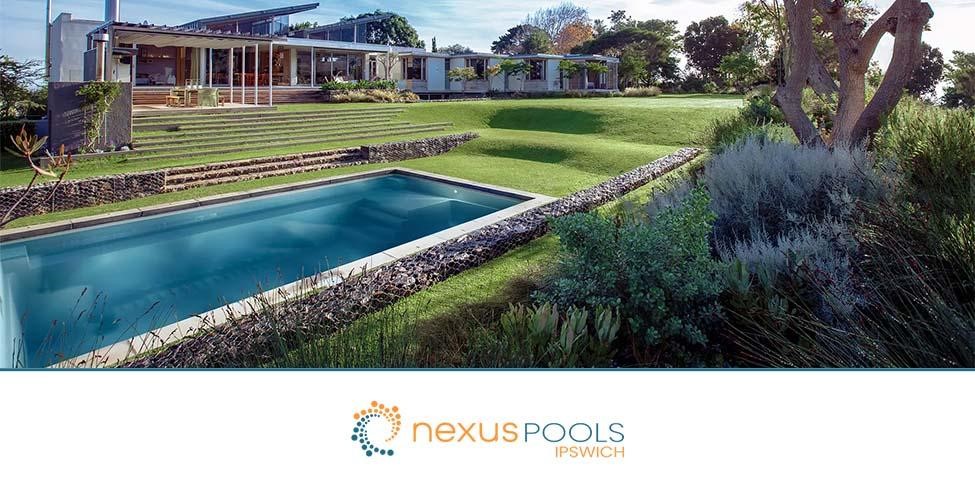
Thoroughly evaluating the available space before commencing the fibreglass swimming pool installation process is crucial. Begin by measuring your yard to identify the most suitable location for the pool. Consider factors like distance from the house, current landscaping, and potential obstacles like trees, utility lines, and septic systems.
Moreover, exposure to sunlight should be considered, as positioning the pool in a sunny area can improve its functionality and overall enjoyment. Assess the stability of the ground; a level and sturdy surface is optimal for a fibreglass pool, whereas uneven or unstable ground may necessitate additional preparation and reinforcement. Properly evaluating your space ensures that the pool integrates into your surroundings and aligns with your vision for a tranquil backyard retreat.
Permits and Regulations
Navigating through permits and regulations is an essential step during the planning phase. When it comes to fibreglass swimming pool installation, it is often necessary to obtain approval from local authorities. Failure to acquire the required permits can result in fines or delays. To understand the specific requirements for your area, including zoning laws, setbacks from property lines, and safety standards like fencing and barriers, it is advisable to contact your local building department.
Additionally, certain regions may have regulations concerning water discharge and pool lighting. By ensuring compliance with all legal requirements, you not only prevent potential legal issues but also ensure a smooth and lawful pool installation. Taking the time to secure all necessary permits will help you avoid costly setbacks and guarantee a hassle-free installation process.
Budget Considerations
Establishing a clearly defined budget for successful fibreglass swimming pool installation is of utmost importance. The overall cost can vary significantly based on several factors, including the size of the pool, its features, the complexity of the installation site, and additional amenities such as heating systems, lighting, and landscaping. To obtain an accurate understanding of the expenses involved, it is advisable to gather quotations from trustworthy contractors.
Furthermore, it is essential to consider the long-term expenses associated with maintenance, energy consumption, and repairs. Allocating a contingency fund for unforeseen costs can help prevent any financial setbacks. By carefully planning your budget, you can relish your new pool’s pleasure without compromising your financial stability.
Selecting Your Fibreglass Pool

Types and Designs of Fibreglass Pools
Fibreglass pools offer diverse types and styles to accommodate different preferences and practical requirements. The main classifications consist of rectangular, freeform, and kidney-shaped pools. Rectangular pools are perfect for swimming laps and boast a sleek, contemporary look that complements modern backyard layouts.
Freeform pools, characterized by their natural, flowing shapes, seamlessly blend into natural surroundings and create a tranquil, lagoon-like atmosphere. Kidney-shaped pools present a timeless, adaptable design that fits well in various environments. Many fibreglass pools have built-in amenities such as tanning ledges, seating areas, and swim-up bars, enhancing their functionality and overall enjoyment.
Choosing the Right Size and Shape
It is essential to carefully choose the size and shape of your fibreglass pool to ensure it fits perfectly in your space and meets your requirements. Take measurements of your yard and consider various factors such as the number of swimmers, intended use, and plans for the area. A larger pool would be more suitable if you have a family with children or frequently host pool parties.
On the other hand, smaller pools, often known as “plunge pools,” are perfect for smaller yards or individuals who prioritize relaxation over swimming. The shape of the pool should complement the existing landscape and the architectural style of your home. For example, a geometric pool would be a good fit for a modern home, while a freeform pool would enhance a more natural and rustic setting.
Customization Options
Customization is a key benefit for fibreglass swimming pool installation, as it allows you to personalize the pool according to your specific preferences and lifestyle. There are a variety of colors and finishes available to choose from, enabling you to create the perfect aesthetic for your pool. For example, you can opt for vibrant blues to evoke a tropical ambience or select more subdued tones for a tranquil, spa-like atmosphere.
In addition to color and finish options, there are also additional features you can incorporate into your fibreglass pool. For instance, integrated lighting systems can enhance your pool’s visual appeal and create a captivating atmosphere. Water features like fountains and waterfalls can add a touch of elegance and create a soothing ambience. Furthermore, in-pool seating areas provide a comfortable space for relaxation and socializing.
Installation Process
Site Preparation
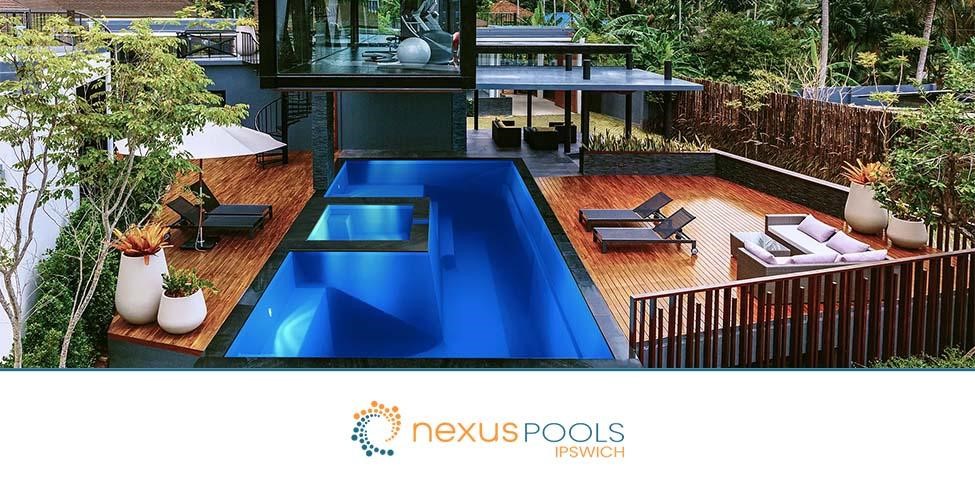
The initial phase of fibreglass swimming pool installation is thorough site preparation. This includes removing any vegetation, debris, or structures in the designated area that could obstruct the pool installation. It is essential to level and prepare the ground adequately to establish a secure base for the pool.
Precise marking and measuring of the pool’s position are vital during this phase to prevent any potential issues later on. Effective site preparation is key to a seamless and prosperous installation process, minimizing the chances of setbacks and promoting the pool’s durability.
Excavation
The process of excavation includes digging the designated area for the pool installation. It is crucial to be precise to align with the specific measurements of the pool shell while allowing for additional space for the sand or gravel base to offer stability and protection.
Heavy equipment is commonly employed to clear out soil and rocks, and caution must be exercised to prevent any interference with underground utilities or nearby buildings. The accuracy of the depth and shape of the excavation is essential to guarantee that the pool is positioned properly and securely.
Pool Delivery and Placement
Following excavation, the fibreglass pool shell is transported to the designated location and meticulously placed into the prepared hole. A sizable crane or comparable machinery is typically employed to transport the pool due to its substantial size and weight.
Positioning the pool requires utmost precision in alignment and leveling to guarantee its stability and uniformity. Skilled experts make necessary adjustments to ensure the pool is flawlessly level and aligned with the surrounding terrain. Professionals undertake this crucial step to safeguard the integrity of the pool shell and ensure a seamless fit within the excavation.
Plumbing and Electrical Setup
After the pool has been set up, the plumbing and electrical elements are put into place. This involves connecting pipes for water circulation, filtration, and drainage systems and installing electrical wiring for pool lights, heaters, and other necessary equipment.
It is crucial to guarantee the accurate installation and adherence to local regulations of these systems to ensure the pool operates safely and efficiently. Typically, professional plumbers and electricians are engaged to ensure secure and leak-free connections and the proper grounding and safety of the electrical systems for usage.
Do Fibreglass Pools Need a Liner?
No, a liner is not required for fibreglass pools. The pool shell is covered with a resilient gel coat finish that fulfills the same function as a liner. It offers a seamless and resistant surface, preventing algae growth and eliminating the need for repairs or replacements.
Backfilling and Stabilization
Backfilling entails filling the area surrounding the pool shell with an appropriate substance, like sand or gravel, to stabilize and reinforce the pool structure. This procedure must be executed with great care to prevent the pool shell’s displacement and guarantee its level.
Backfilling entails filling the area surrounding the pool shell with an appropriate substance, like sand or gravel, to stabilize and reinforce the pool structure. This procedure must be executed carefully to prevent the pool shell’s displacement and guarantee its level.
Pool Coping and Decking
The fibreglass swimming pool installation concludes with the addition of pool coping and decking. Pool coping, typically made of stone or tile, is a protective cap for the pool’s edge, creating a polished look and a seamless transition between the pool and the surrounding deck. Additionally, it safeguards the pool structure against water damage and facilitates the installation of pool covers.
Following this, decking is constructed around the pool, utilizing materials such as concrete, pavers, or wood, depending on the desired visual appeal and functionality. The decking area not only offers a secure and comfortable space for relaxation but also enhances the overall aesthetic of the pool area.
How Long Do Fibreglass Pools Last?
Fibreglass pools have a remarkable lifespan of 25 to 30 years or even longer, provided they are maintained properly. Their exceptional durability and ability to resist common problems such as staining and algae growth are key factors that contribute to their extended longevity.
Maintenance and Care

It is crucial to properly maintain and care for your fibreglass pool to keep it in excellent condition throughout the year. You can guarantee a hygienic, secure, and pleasurable swimming experience for many years by consistently completing routine tasks and following seasonal care advice.
Regular Maintenance Tasks
Regular maintenance tasks for fibreglass pools include:
- Skimming and Vacuuming: Regularly utilize a skimmer net to eliminate leaves, insects, and other debris from the pool’s surface. Additionally, ensure that the pool is vacuumed consistently to remove dirt and debris accumulating on the pool floor.
- Brushing: To prevent algae growth and eliminate any accumulation of dirt or grime, brush the pool’s walls and floor thoroughly. Utilizing a brush specifically designed for fibreglass surfaces is recommended to prevent any potential damage to the gel coat.
- Water Chemistry: Regularly test the water with a pool test kit to verify the correct chemical balance. Make necessary adjustments to pH, chlorine, and alkalinity levels to keep the water clear and prevent algae growth.
- Filter Maintenance: Please ensure the pool filter is cleaned or backwashed by the manufacturer’s instructions to maintain its optimal efficiency and effectiveness.
Seasonal Care Tips
Seasonal care tips for fibreglass pools include:
- Winterizing: In regions with colder temperatures, it is important to winterize the pool to safeguard it from freezing conditions. This process typically includes draining the pool, introducing antifreeze into the plumbing system, and placing a winter cover over the pool.
- Opening for Summer: To commence the summer season at the pool, it is essential to eliminate the winter cover, thoroughly clean and replenish the pool, and ensure the water chemistry is balanced. Additionally, inspecting for any potential damage or signs of wear that might have transpired over the winter months is crucial.
- Summer Maintenance: During the summer season, it is crucial to give additional consideration to pool upkeep due to heightened usage and elevated temperatures. Regularly monitor the water levels, increase the frequency of filter cleaning, and periodically administer pool shock treatment to inhibit algae growth effectively.
Can a Fibreglass Pool Crack?
Fibreglass pools have a lower tendency to develop cracks than concrete pools. Although minor hairline cracks, also known as spider cracks, may appear on the gel coat due to stress, they are typically superficial and do not impact the pool’s structural integrity. Major cracks are infrequent and typically arise from substantial ground movement or incorrect installation.
Dealing with Algae and Debris
To deal with algae and debris in your fibreglass pool:
- Algae Treatment: In the event of algae blooms, administer a substantial amount of chlorine to the pool and thoroughly scrub the impacted regions. Employ an algaecide to avert future occurrences and uphold appropriate water chemistry.
- Debris Removal: Regularly skim the pool to eliminate any leaves, insects, or other debris that may gather on the surface. As necessary, utilize a vacuum to extract dirt and debris from the bottom of the pool.
- Maintain Water Circulation: It is important to verify that the pool pump and filter operate efficiently to uphold adequate water circulation and filtration. This is essential in preventing algae growth and maintaining clear and clean water.
Costs and Budgeting
It is crucial to consider the different expenses associated with fibreglass swimming pool installation and allocate the budget accordingly.
Initial Installation Costs
The costs associated with the initial installation of a pool can differ depending on various factors, including the pool’s size, shape, features, and site preparation needs. Although fibreglass pools typically have lower installation costs than concrete pools due to their faster installation process, the prices can still range from a few thousand to tens of thousands of dollars.
How Well Do Fibreglass Pools Hold Up?
Fibreglass pools exhibit exceptional durability and maintain their integrity over extended periods. They possess remarkable resistance against stress, fluctuations in temperature, and chemical harm. Moreover, their sleek and impermeable surface effectively reduces algae growth and prevents staining, simplifying their maintenance.
Long-Term Maintenance Costs
In order to create an accurate budget, it is essential to consider the long-term maintenance expenses, which encompass costs for chemicals, utilities, and occasional repairs. Nevertheless, fibreglass pools generally incur lower maintenance costs when compared to alternative pool types such as concrete or vinyl, thus proving to be a financially prudent option in the long haul.
Cost Comparison: Fibreglass vs. Concrete vs. Vinyl Pools
Fibreglass pools frequently provide the most cost-effective option when comparing the expenses of fibreglass, concrete, and vinyl pools. Despite the need for careful budgeting during the initial investment, fibreglass pools’ durability and low-maintenance characteristics make them an appealing choice for homeowners who desire a hassle-free and economical swimming pool solution.
Conclusion
Fibreglass pools provide a combination of durability and minimal upkeep. It is crucial to comprehend the complete range of expenses, from the initial installation costs to the long-term expenditures. A fibreglass pool can deliver several years of delightful experiences by carefully strategizing.